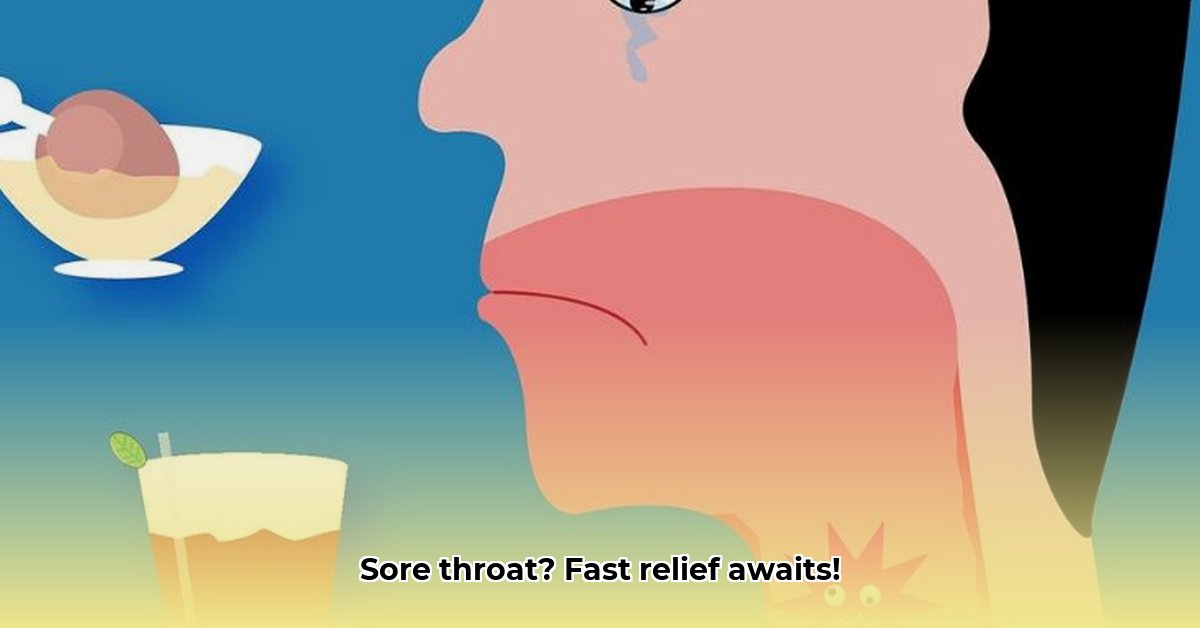
Is that scratchy, painful throat getting you down, tjom? This guide breaks down everything you need to know about sore throats in plain English, so you can get back to feeling your best. We'll cover the causes, symptoms, diagnosis, treatment, and prevention – all so you can sort this out quickly.
Unmasking the Usual Suspects: What Causes a Sore Throat?
Most sore throats are caused by viral infections, like the common cold or flu – think of tiny little nasties irritating your throat lining. Another common culprit? Bacteria, especially Streptococcus pyogenes, the bacteria behind strep throat. This needs antibiotics.
But other things can also cause a sore throat. Allergies can inflame your throat, making it feel scratchy. Postnasal drip (that constant drip from a stuffy nose) is another irritant. Even dry air, acid reflux or shouting at the rugby can sometimes be the cause.
Decoding the Signals: Sore Throat Symptoms to Watch For
How do you know what's causing your sore throat? A mild sore throat might just feel a bit scratchy, while a more serious infection often comes with other symptoms:
- Throat Pain: The main issue! It can range from a mild tickle to agony.
- Difficulty Swallowing: Makes eating and drinking a real struggle.
- Fever: A fever often signals your body's fighting an infection.
- Body Aches: This suggests it could be more than just a throat irritation.
- Headache: A headache often accompanies a sore throat.
- Cough: A cough points to a potential viral infection.
- Swollen Glands: Swollen lymph nodes (glands) in your neck can indicate an infection.
Don't panic if you have a few of these, but serious pain, a high fever, breathing problems, or trouble swallowing need immediate medical attention.
Getting to the Root of the Problem: Diagnosing a Sore Throat
Your doctor will usually diagnose a sore throat with a simple examination, checking your throat for redness and swelling. They may also perform a rapid strep test to check for Streptococcus. Remember, these tests aren't foolproof; they can miss a bacterial infection or incorrectly identify a viral one.
Tackling the Trouble: Effective Sore Throat Treatments
Treatment depends on the cause. Viral infections usually clear up on their own within a week. Plenty of fluids, rest, and over-the-counter pain relievers like ibuprofen or paracetamol (always check the dosage) help ease discomfort.
For strep throat, your doctor will prescribe antibiotics. It’s vital to finish the entire course, even if you feel better. This prevents complications and antibiotic resistance. Home remedies like gargling warm salt water (a teaspoon of salt in a glass of warm water) or sipping warm honey and lemon tea (if you're not allergic) can soothe a sore throat.
Preventing a Painful Throat: Simple Steps for Prevention
Prevention is always better than cure, right? Here's how to reduce your risk:
- Wash your hands regularly: This stops the spread of viruses and bacteria.
- Don't share cutlery and cups: Sharing germs is a bad idea!
- Get vaccinated: Flu shots help protect against a common sore throat cause.
- Manage allergies: If allergies are the issue, identify and avoid your triggers.
- Stay hydrated: Drinking plenty of water is good for your overall health.
When to See a Doctor: Knowing When to Seek Help
When should you see a doctor? These situations need urgent attention:
- Severe difficulty swallowing or breathing
- High fever (above 38.5°C or 101.3°F)
- A sore throat lasting more than a week
- White patches or spots on your tonsils
- Severe, unbearable pain
Remember, this information is for general knowledge and doesn't replace professional medical advice. Always see your doctor for diagnosis and treatment.
How Long Does Strep Throat Antibiotic Treatment Last?
Strep throat, a bacterial infection, causes a painful throat. Antibiotics are usually prescribed to kill the bacteria. Treatment typically lasts 10 days. It’s crucial to complete the entire course, even if you feel better sooner, to prevent complications and antibiotic resistance. Untreated strep throat can last for weeks, leading to potential problems. Prevention – good hygiene and avoiding contact with infected individuals – is key.